On Friday 13th March 2015, the Royal Astronomical Society held a discussion meeting (supported by COMET) on advances in high-resolution topography and imagery.
Christoph Gruetzner reports from the meeting here.
On Friday 13th March 2015, the Royal Astronomical Society held a discussion meeting (supported by COMET) on advances in high-resolution topography and imagery.
Christoph Gruetzner reports from the meeting here.
Hear COMET’s Tamsin Mather and David Pyle on how we are monitoring volcanic risk on Radio 4’s programme Costing the Earth.
You can listen to the episode, “Lava: A Dangerous Game”, here.
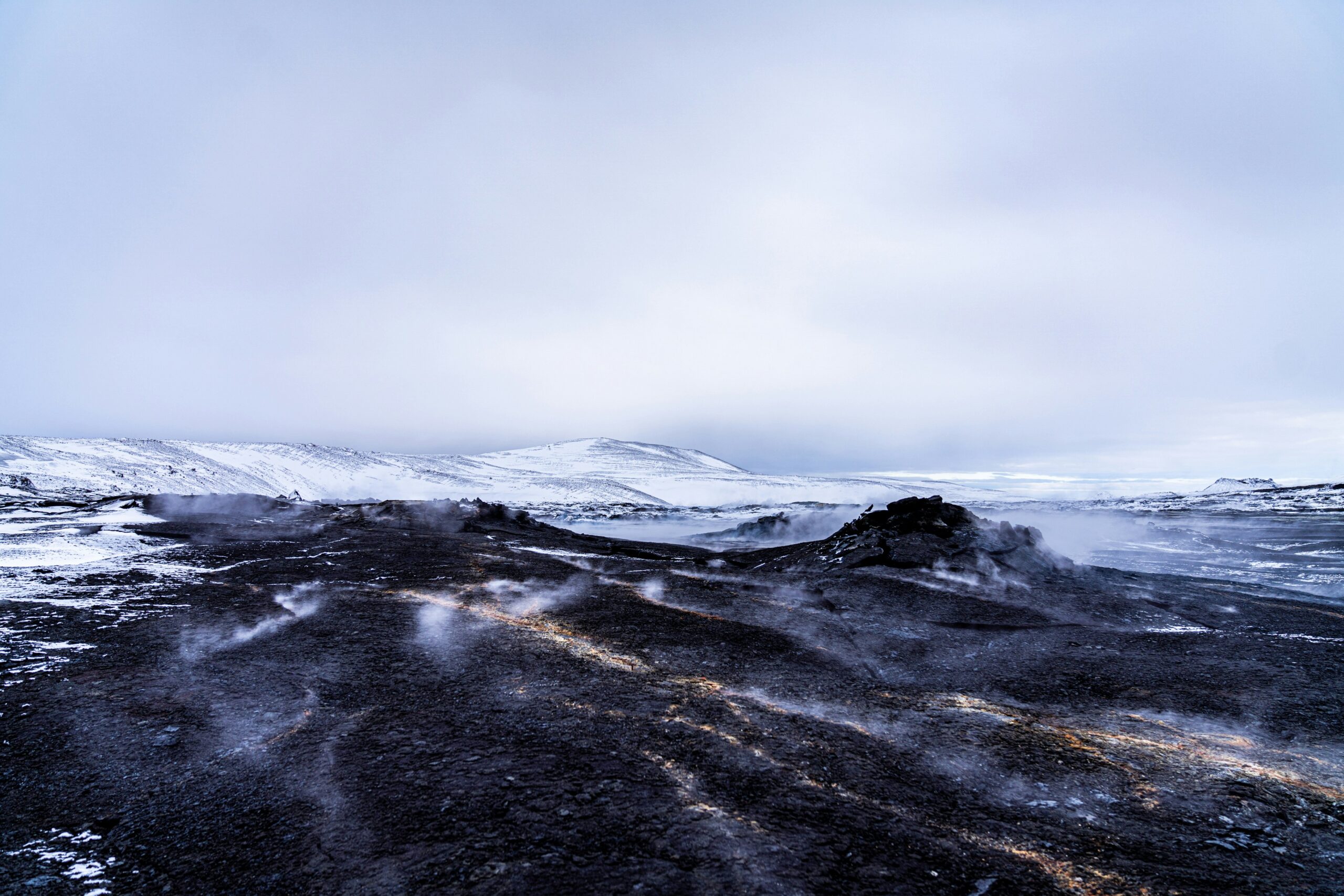
Read COMET scientist Alex Copley‘s blog about the hazards posed by active fault-lines within the Earth’s crust for the United Nations Office for Disaster Risk Reduction here.
Photo credit: Jens Aber on Unsplash
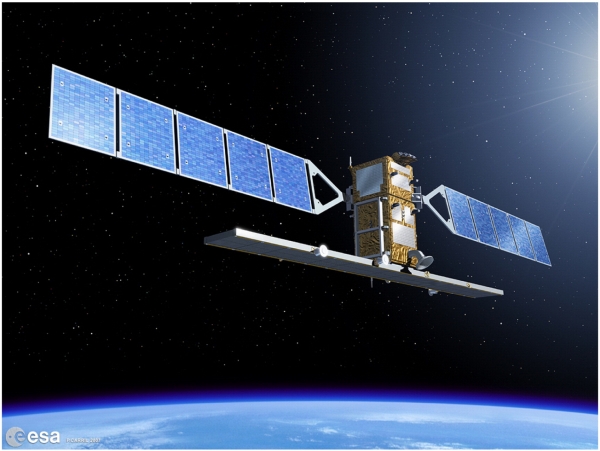
Europe’s Sentinel-1A spacecraft and its extraordinary images of slip from the South Napa earthquake herald a new era of space-based surveillance of faults.
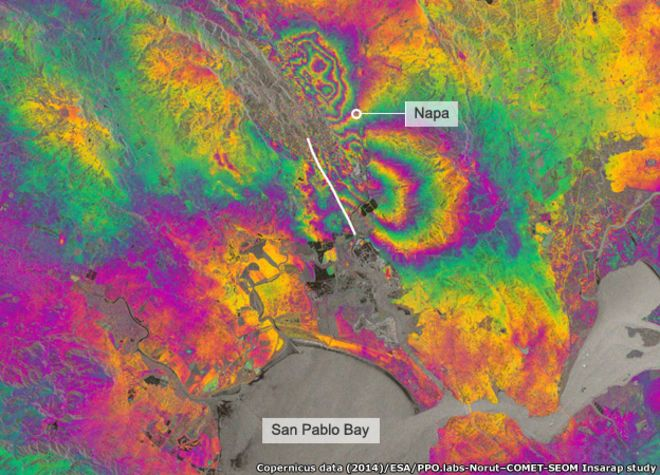
On 24 August 2014, the San Francisco Bay area shook in an Mw = 6.0 earthquake, the region’s largest in 25 years. The tremors injured roughly 200 people, killed 1 person, and damaged buildings near the quake’s epicenter in the southern reaches of California’s Napa Valley. It also set off a scientific scramble to measure the fault’s movement and marked the dawn of a new age of earthquake satellite monitoring thanks to a recently launched spacecraft: the European Space Agency’s Sentinel-1A satellite.
COMET scientists explain why in an article published in EOS, the Earth and space science journal of the American Geophysical Union.
Read more here.